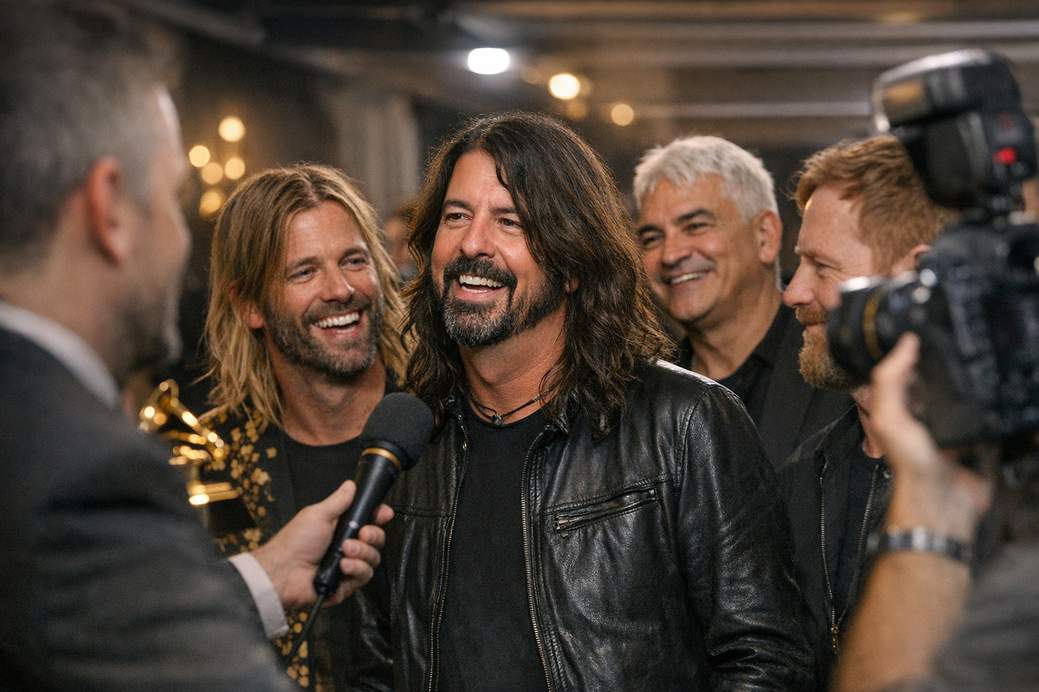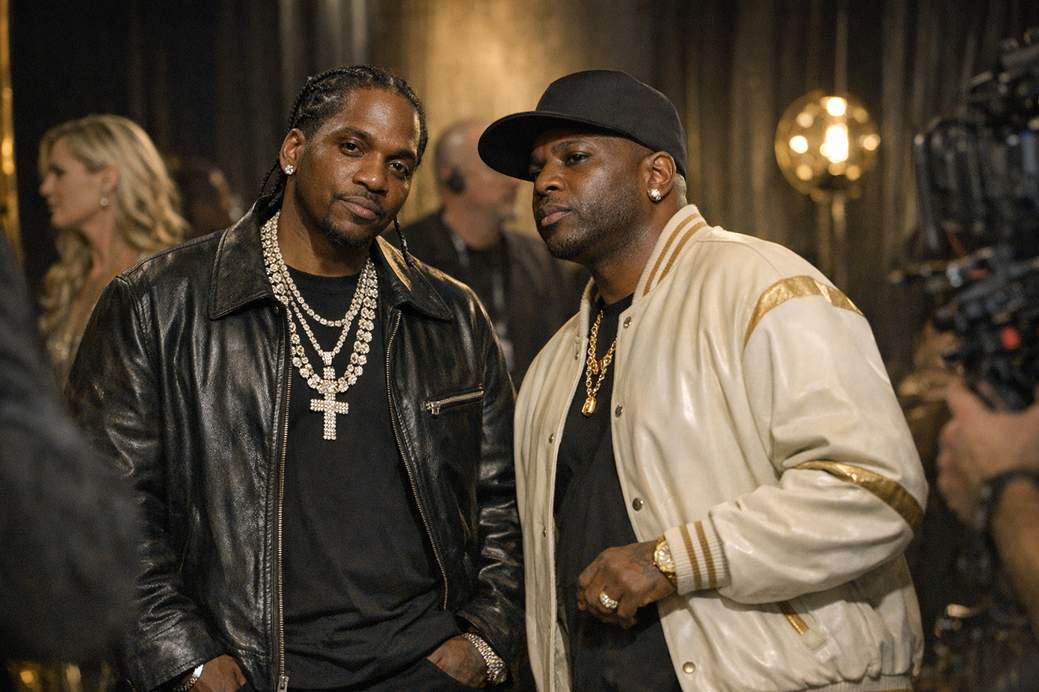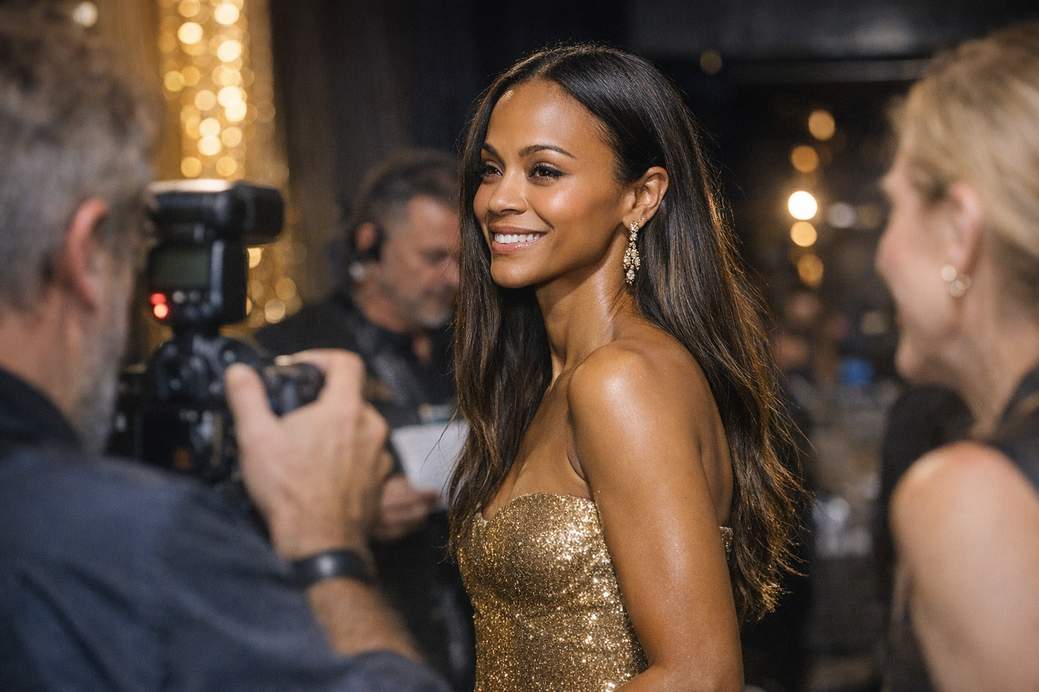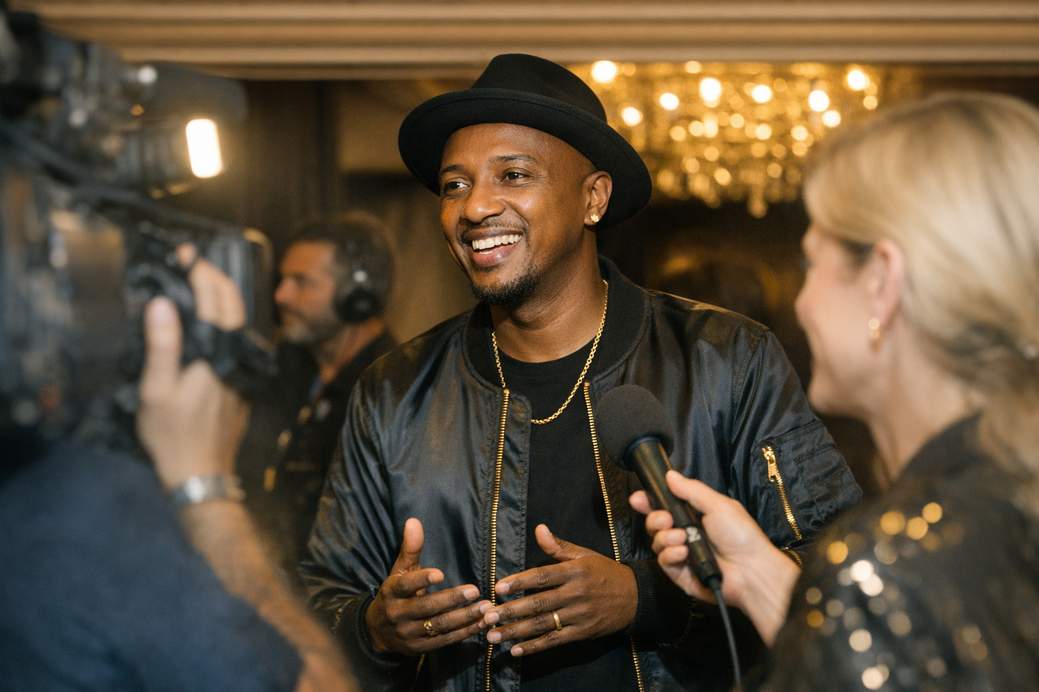
Gone are the days of the lone wolf superstar. Go through any popular chart today, be it the Billboard Hot 100, Spotify Global, the largest hits on Apple Music, and you will notice a trend. Features. Duets. All-star posse cuts. The music industry has essentially transformed itself based on collaborations and the figures do not deceive.
The Streaming Playlist Benefit
Online streaming services disintermediated the music discovery experience of listeners. Playlists attract billions of streams, and playlist editors are fond of partnerships. Why? Since a track having two known names increases to two times with regards to its reach in algorithms. Whenever Drake hops on a song with a rising artist, the fanbases are informed. The song is dropped in several New Music Friday slots in various genre categories at the same time.
This isn’t accidental. Artists are now being strategically paired with labels with the sole purpose of being placed on a playlist. An isolated mix may end up buried, a feature ensures that it is visible. The economics is capitalist but efficient: two marketing budgets, two social media armies, one inescapable chart climb.
Breaking Genre Barriers
Cooperation broke the barriers of musical silos. Pop stars are dabbling into country music and rap. K-pop music bands employ Western producers. These crossovers are not mere experiments of creativity, they are entertainment market builders.
The remix did not only give a viral hit a boost when Lil Nas X hired Billy Ray Cyrus to join forces in “Old Town Road.” It provided a cultural phenomenon that surpassed the discussion of demographics that had never intersected before. The record-breaking release of that track demonstrated that genre-bending collaborations produce media attention which is many times greater than that of a regular release.
Multiplication Effect of Fanbase
Fandom became an exchangeable commodity with the advent of social media. Each announcement of collaboration sends off simultaneous posts to two (or more) artist accounts. Hashtags trend immediately. Fan armies get excited about the new partner of their artist, and they make new releases seem urgently needed.
This e-word of mouth substitutes the old radio publicity. A midnight announcement of two household names can be a million mentions before breakfast. The chart effect takes only hours, not weeks.
Risk Distribution in a Volatile Market
Releasing music has never been more expensive or uncertain. Marketing costs spiral upward while attention fragments across platforms. Collaborations spread financial risk between labels and artists. If a single flops, both parties absorb the damage. If it succeeds, everyone wins.
Additionally, established artists use features to test new markets without full commitment. A Latin superstar might collaborate with a K-pop group to gauge American crossover potential before launching English-language solo material. It’s market research disguised as artistic partnership.
What’s Next for the Solo Artist?
Does this group domination kill individual stardom? Not entirely. But the pathway has narrowed. New artists are found more and more featuring their way into the limelight without trying to come up with stand-alone hits. Mature bands retain popularity because of the regular guesting between cycles of albums.
The collaboration economy represents the trends of the entertainment industry as a whole, franchise crossovers, cinematic universe, interconnected content. Nothing more than expected of music: more links, more surprises, more cause of repeat-hit.