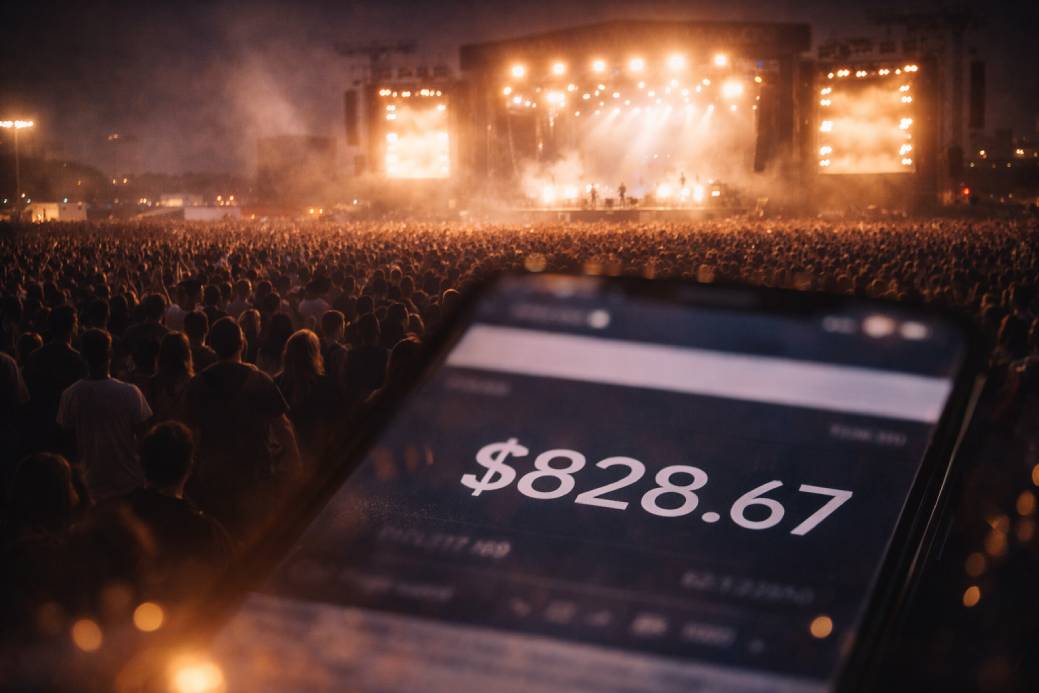
Remember when you used to see your favorite band, you would have to scrape together $30 to buy a general admission ticket? Those days seem like ancient history. In 2024 the average price for a top-tier concert was $135.92 which represented a whopping 41.3% increase from just 5 years prior.
For superfans ponying up six-figure price tags for megastar shows such as Beyonce or Taylor Swift, four-figure price tags have become the new normal.
The live music experience really hasn’t changed much, but the economics behind it have changed radically. From algorithmic pricing to corporate monopolies, a number of forces are coming together to price out ordinary fans from the places they used to fill up.
The Post-Pandemic Pricing Explosion
The perfect storm for ticket inflation was the pandemic of the Coronavirus. When tours did resume in 2022-2023, artists were faced with skyrocketing operational costs – everything from diesel for tour buses to crew wages had increased significantly. Many of the experienced crew had left the industry during the shutdown and promoters were forced to pay premium rates to rebuild their teams.
Simultaneously, pent-up demand was responsible for a “revenge spending” mentality among fans hungry to experience live experiences after years of isolation. The industry could see this emotional leverage and set prices accordingly. Pollstar data shows that although 2024 was the highest year in terms of pricing, 2025 has only managed a small 2.4% drop – hardly a relief for wallet-weary music lovers.
Live Nation-Ticketmaster Monopoly
No discussion of concert pricing is complete without a discussion of the elephant in the room: Live Nation Entertainment. Formed as a result of the 2010 merger of Live Nation (promotion/venues) and Ticketmaster (ticketing), the company now holds an estimated 70% of the major venue ticketing market.
This vertical integration provides Live Nation with unprecedented power. They operate artists, own venues, ticketing, even resale platforms – they collect revenue at every stage, removing meaningful competition from the entire process. The Department of Justice filed an antitrust lawsuit in the year 2024 asking for the conglomerate to be split up, alleging monopolistic practices that “extort” venues and fans alike.
Live Nation CEO Michael Rapino has only fuelled public anger by saying that concerts are still “underpriced” compared to sporting events. “Try going to a Laker game for $72,” he argued at a 2025 conference, suggesting fans celebrate paying $800 for Beyonce tickets.
The Resale Market Ecosystem
While primary markets frustrate fans, secondary markets exploit them. The global ticket resale industry generated approximately $3.4 billion in 2024, with platforms like StubHub capturing roughly 31% of each transaction through buyer and seller fees.
Sophisticated scalpers deploy bots to purchase mass quantities of face-value tickets instantly, then relist them at 200-1000% markups. During Taylor Swift’s Eras Tour, $210 face-value tickets appeared on resale sites for over $3,800. Live Nation has been accused of facilitating this ecosystem, allegedly allowing brokers to circumvent purchase limits while simultaneously profiting from their own resale platform.
Legislative responses are emerging slowly. Maine recently became the first state to cap resale prices at 10% above face value, with California and New York considering similar measures.
What This Means for Music Fans
Concert attendance is becoming more of a luxury good, not entertainment. Research shows that Gen Z fans are willing to spend substantial portions of their income on live music experiences, as well as treating them as an identity-defining experience that is worth significant financial sacrifice.
For people priced out of stadium shows, alternatives exist. Local venue concerts are usually as cheap as $15 or less and support community artists, as well as provide more intimate experiences. These smaller shows don’t have the production spectacle but provide the real thing in terms of musical connection without the financial trauma of Ticketmaster warfare.
Is It Going to Get Better?
The concert pricing crisis is the result of a toxic combination of post-pandemic cost inflation, algorithmic price gouging, monopolistic control of the market and an industry that has discovered that fans will pay almost anything for emotional experiences. With government antitrust action looming and resale legislation gaining a foothold, the regulatory environment may change.
However, as long as demand is inelastic, which means fans are unwilling to stop coming regardless of price, then corporations have little incentive to reduce costs.