Is the album culture dying? This might seem like an absurd question, but looking at the current state of the music industry, a lot of artists now prefer to release singles instead of albums and you can’t help but ask, is the album culture dying.
This is not to say that artists don’t release albums or people don’t spend time listening to these albums, but, in 1998, a music fan would walk into a record store, spend $18 on a plastic disc and commit to forty-five minutes of a single artist’s vision.
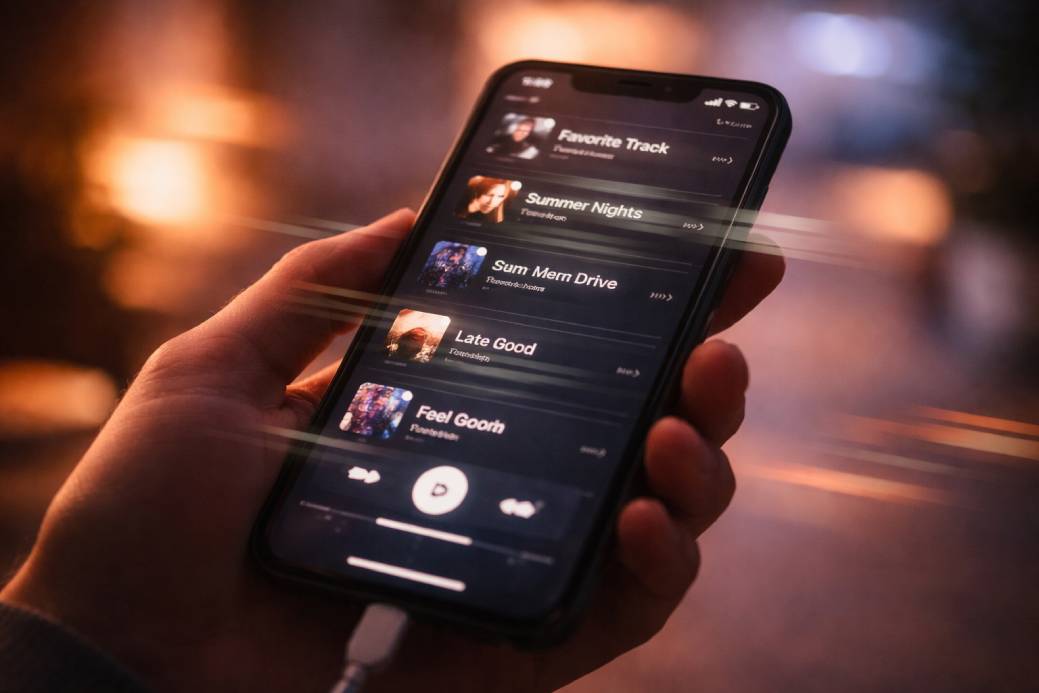
Today, that same fan is likely scrolling through a personalized “New Music Friday” playlist on a smartphone, giving each track approximately eight seconds to prove its worth before skipping.
The listening culture has changed and there are a few reasons to prove why we’re seeing more EPs and singles compared to albums.
Feeding the Algorithm
The music world is now driven by DSPs (Digital Service Providers), otherwise known as streaming platforms, where you can listen to music from the comfort of your mobile phone. These streaming platforms work with algorithms that help push music to their users. Platforms like Spotify and Apple Music reward freshness and consistency.
When an artist drops a 12-track album, the algorithm treats it as a single event. It might land on the Release Radar Playlist for one week, and after a while, it disappears from the playlist because there is more new music coming out.
However, if that same artist releases those 12 tracks as 12 individual singles over the course of a year, they trigger the algorithm 12 separate times. Each release is a new discovery that these platforms notify followers of, put in editorials, and allow the artist to become more relevant in the eyes of the listener and the algorithm.
The TikTok Economy
In 2026, a song’s success is often determined before the full track even hits streaming services. TikTok and Instagram Reels have turned music into UGC (User-Generated Content) assets.
Most songs now go viral based on a 15-second snippet that fits a POV trend or a dance challenge. Artists, in turn, use these to create viral moments that will help market the song.
Although an album gives you the option of promoting multiple songs, it also stretches the marketing team, which is a bit more difficult for artists with smaller budgets, but with singles, you can focus all your efforts on that one song and see how far it goes.
The Shrinking Attention Span
Whether you choose to debate it or not, the truth still stands that the attention span of the average human has dropped significantly. Creators have felt it, and the music industry has as well. New listeners barely sit through an album. They prefer discovering artists through two to three-minute songs rather than sitting through a 10-song album to actually discover the full musical capabilities of the artist.
While the attention span has reduced, everybody is still fighting to grab a piece of it. You want to be on your listeners’ minds, you want people to always play your song, and to do this, your best bet is by releasing multiple singles, instead of an album, where your best track may not become popular until after six to 7 months of release. In some cases, people never even discover them.
What is the Future of Albums?
Will albums become obsolete? No. Artists will still release albums for its cultural relevance and also for their core fans who enjoy music regardless of its length or form.
However, for others, albums will become the final product of their music. After releasing a couple of singles over a certain period of time, artists will tie them into an album, which will feel like a collection for their main fans or a chance to intrigue new listeners and boost their standings in the industry.
Albums won’t die, but singles will dominate the industry. Why? In an era where attention is the world’s most valuable currency, releasing singles helps artists survive and stay relevant in the mind of their listeners.